Roof Repairs
Repairs on Inner West terraces and semis, where box gutters, parapet flashings and shared roof junctions cause nearly every leak.
Learn more →Colorbond and metal roofing across the Inner West. Low-pitch skillions, rear additions, parapet flashings and conservation area colour choices. Free quote.
Repairs on Inner West terraces and semis, where box gutters, parapet flashings and shared roof junctions cause nearly every leak.
Learn more →Re-roofing Victorian and Federation terraces, semis and workers cottages, including slate and heritage-area work.
Learn more →Restoration for Inner West tile roofs, and recoating where a heritage conservation area limits what can change.
Learn more →Box gutter replacement and parapet flashing across the Inner West, the single most common source of ceiling damage on attached housing.
Learn more →Storm response across the Inner West, where a blocked box gutter can flood a ceiling within minutes.
Learn more →Roof inspections and written reports across the Inner West, including pre-purchase checks on terraces and slate roofs.
Learn more →Walk down the rear lane behind almost any Inner West terrace row and look at what is actually covering the back half of the houses. Low skillions, lean-to kitchens, bathroom additions, laundry roofs, flat-looking sections tucked behind a parapet. Very little of that is tiled, because tile cannot go that shallow and stay watertight.
That is metal roofing in this area in one sentence: it is the covering for the low-pitch, awkward, out-of-sight two thirds of the roof, plus whole-roof replacements on the post-war stock out towards Earlwood and Canterbury.
Call (02) 8000 1103 or ask for a quote.
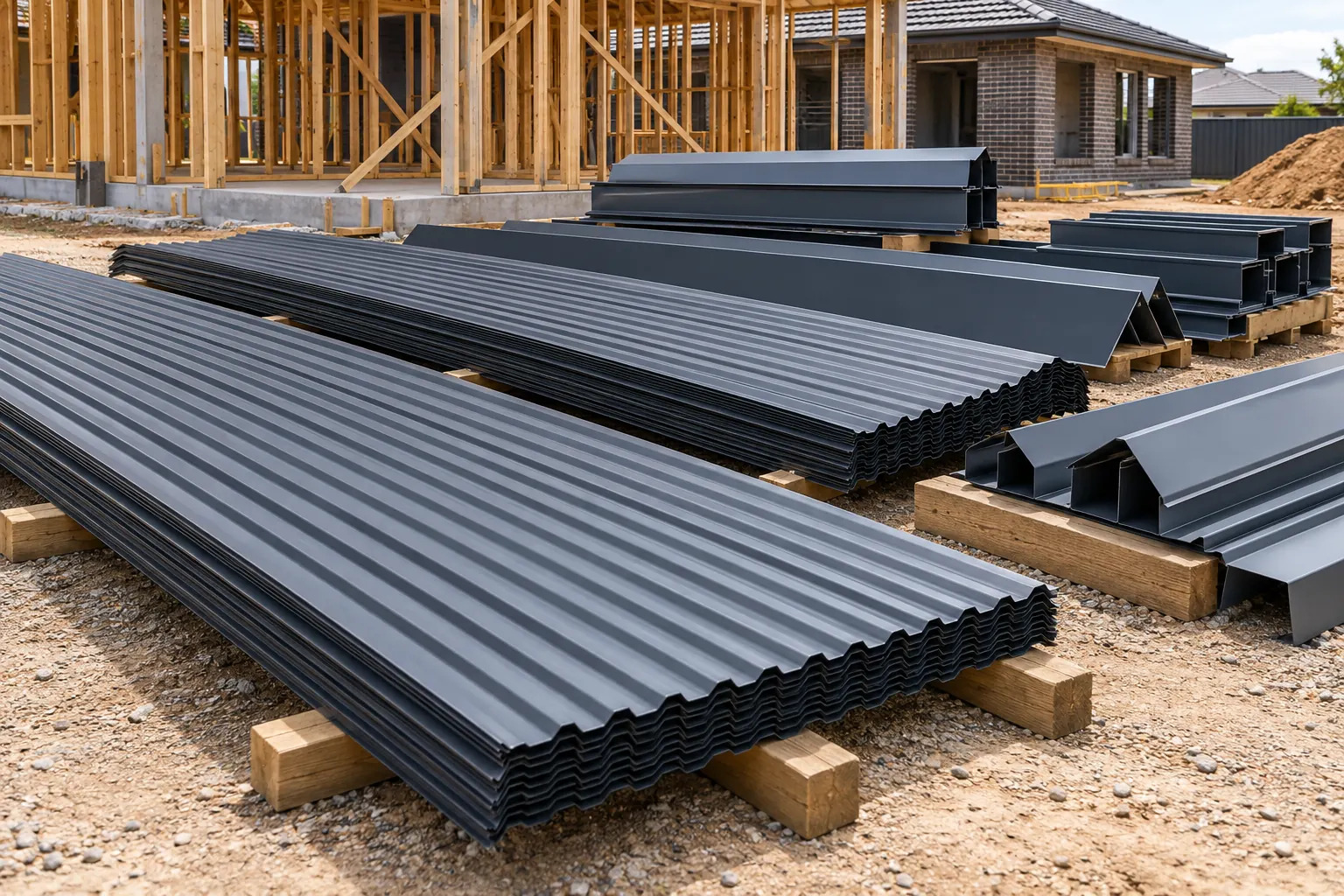
Choosing sheet metal is mostly a pitch-and-span problem, not a style problem.
Sheet length matters as much as profile. An end lap on a shallow pitch is a leak waiting for the right storm. Where a run can be rolled in one length, it should be.
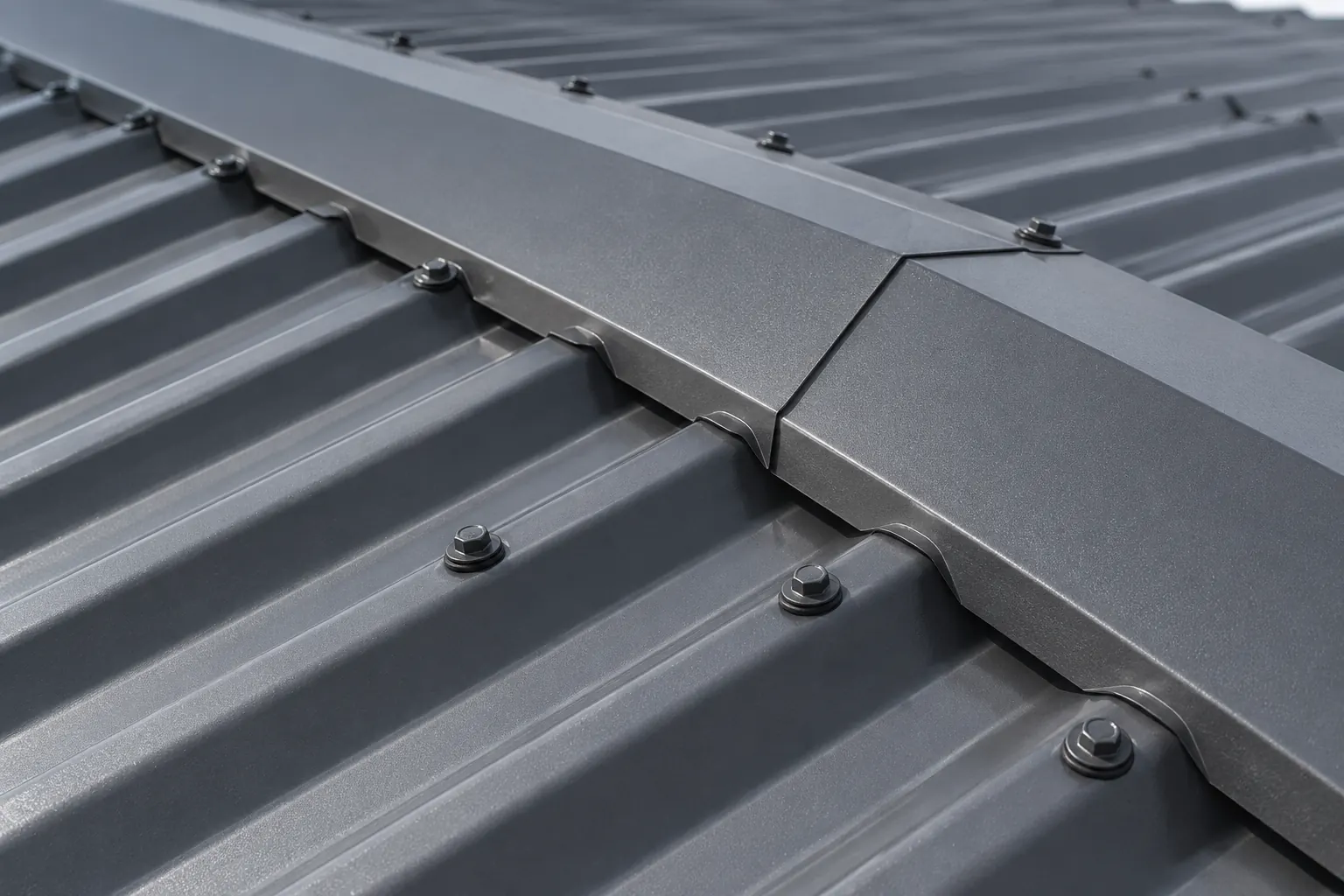
This is the part that separates a metal roof that lasts from one that drips in two years.
On a detached house the sheet runs to an eave and the detailing is simple. On an Inner West terrace or semi the sheet runs into a brick parapet on one or both sides, and often into a box gutter at the low end. Each of those junctions needs:
Where the metal roof drains into a box gutter, the gutter is sized for the 1% AEP five-minute rainfall intensity, with a minimum 200 mm flat base on a Class 1 home and 30 mm of freeboard. Putting a bigger, smoother metal catchment above an undersized old gutter is a common way to create a brand new leak.
Much of the Inner West is covered by heritage conservation areas across five councils — Inner West, Burwood, Strathfield, Canada Bay and Canterbury-Bankstown. Where you sit changes what you can do with a visible roof.
Haberfield is listed as conservation area C54 under the Inner West LEP 2022, with extra built-form controls in clause 6.20. Burwood lists its areas in Schedule 5 of the Burwood LEP 2012. Hurlstone Park has six conservation areas under the Canterbury-Bankstown LEP 2023. Inside those, a street-facing roof colour or finish may be controlled, and a change of covering can need consent.
Rear slopes and roofs hidden behind a parapet are generally much less constrained — one of the real advantages of the terrace roof form. We check your address against the applicable controls before writing a specification, and we tell you when council consent looks likely. We do not predict council decisions.
Three things homeowners raise, and the honest answers:
Rain noise. Real on bare sheet, mostly solved by sarking plus a blanket or insulation beneath. Spec it in, do not retrofit it.
Heat. A light or mid-tone roof with a high solar reflectance runs cooler than a dark one, and the cavity insulation matters more than the colour. In a conservation area where dark tones are expected, insulation carries the load instead.
Condensation. Warm indoor air meeting cold steel. Managed with the right sarking and real ventilation at the high point, not by hoping.
Not every call is a new roof. Common metal repairs across these suburbs: rusted sheet ends over a box gutter, failed fasteners backing out, lifted ridge capping after wind, split valleys, and corrosion where an old metal roof meets a newer one. Roof repairs covers the diagnostic side, and storm and emergency work covers the urgent end.
Work is carried out by established, licensed and insured roofing contractors working to NSW Fair Trading requirements, with a written workmanship warranty on completed work. The inspection and written quote are free.
Call (02) 8000 1103 or send your details. We cover all 29 suburbs on the service areas list, including Five Dock and Tempe.
Tell us what you need and we'll get straight back to you. Prefer to talk? Call (02) 8000 1103 and speak to someone local.
Call (02) 8000 1103This is the main reason metal gets used here. Tile has a minimum pitch it cannot go below without leaking, and a lot of Inner West rear additions, bathroom pop-outs and skillions sit well under it. Corrugated and trapezoidal profiles run to much shallower pitches, and standing seam lower still, provided the sheets are long enough to avoid end laps.
It is a fair concern and a solvable one. Bare sheet over an uninsulated cavity is noticeably louder. Installed over sarking with a blanket or insulation beneath, the difference inside a habitable room is small. On a bedroom addition under a skillion we would spec the acoustic layer in from the start rather than treat it as an extra.
Councils across these suburbs apply controls to roof colour and finish in conservation areas, so high-gloss or very light tones on a street-facing slope are often knocked back. Muted dark greys, charcoals, deep reds and heritage greens in a matt or low-sheen finish are the safe territory. We check what applies to your address before specifying anything.
With a flashing let properly into the brickwork, not a bead of sealant on the face of it. The sheet is turned up, an apron flashing is chased into a mortar joint or stepped over the capping, and the upstand is kept high enough that wind-driven water cannot overtop it. Where the parapet also carries a box gutter, both are detailed together.
It can, if the roof is sealed up with no vapour path. Warm moist air from the house hits the cold underside of the sheet and condenses, which looks exactly like a leak. The fix is designed in: anti-condensation sarking or a blanket, and ventilation at the ridge or high point so the cavity can breathe.